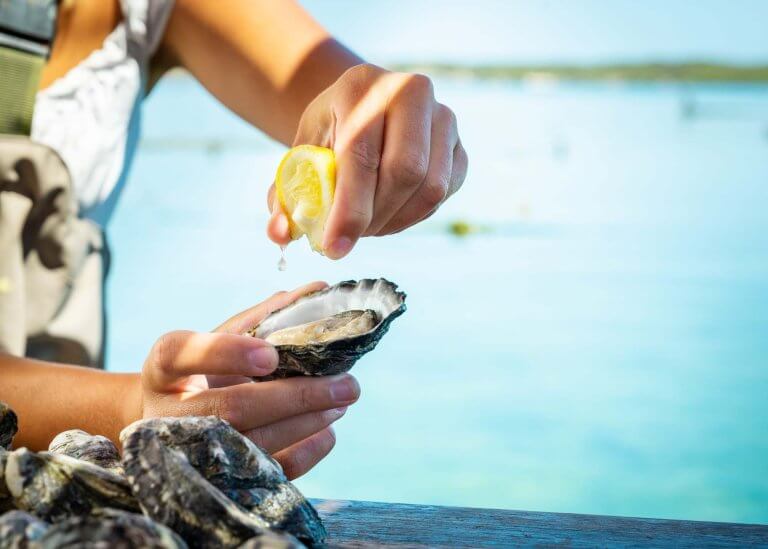
Langhorne Creek, South Australia: The Ultimate Guide

Langhorne Creek is one of the several world-class wine regions in South Australia. And in our opinion, it’s massively underrated.
We recently had the opportunity to spend a romantic kid-free weekend in Langhorne Creek, which we’d surprisingly never done before. And honestly, it may well be our new favourite wine region.
We may not have brought the kids on our recent trip, but of course we scoped it out for kid-friendliness too.
Below is everything you need to know to plan a seamless Langhorne Creek getaway.
Note: This post contains affiliate links. If you click through and make a booking, we earn a small commission at no cost to you.
Langhorne Creek is on the lands of the Ngarrindjeri peoples. We acknowledge that sovereignty was never ceded and pay our respects to elders past, present, and emerging.
Where is Langhorne Creek (and how do I get there?)
Langhorne Creek is a little over an hour’s drive south-east of Adelaide (depending on traffic), where the Fleurieu Peninsula meets the Murraylands.
The quickest way is via the Southeastern Freeway, however taking the backroads doesn’t add much time (maybe 10-20 minutes) and is much more scenic. You can also do this from McLaren Vale to combine wine regions.
If you do take the backroads, you can stop in at the delightful country towns of Macclesfield (pop into Longview Vineyard for a tasting or cheese platter) and Strathalbyn (famous for its antique shops, or have a traditional “parmy” lunch – a schnitzel parmigiana – at the Commercial Hotel).
You’ll need a car to get to Langhorne Creek. If you’re not a local and have travelled to South Australia without a car, rent one through Discover Cars for a good deal.
When self-driving, it’s important to have good travel insurance – here’s the travel insurance we use and why.
When is the best time to visit?
Honestly, any time. But the vibe will be different in each season.
Summer (December to March) can get really hot in this part of the world (many days 30C+ but sometimes up to 40C). It’s perfect for sunny days – which means enjoying beautiful winery outdoor areas or setting up picnics with local produce – but some days will start to feel uncomfortable. The good news is, the maritime climate means this isn’t such a problem as in other parts of South Australia.
Spring and Autumn (September – November and April-May) will bring some wind and sometimes some rain. However, temperatures are generally mild. Late Spring in particular (November, or even early December) is often a lovely time.
Winter can be cold and rainy (temperatures 10-15C). However, many wineries offer cosy atmospheres here and this is also perfect red wine-drinking weather.
Where to stay in Langhorne Creek
There aren’t a huge amount of places to stay in Langhorne Creek itself as it’s such a small town. However, we’ve found some delightful places in nearby towns which we think really add to the experience.
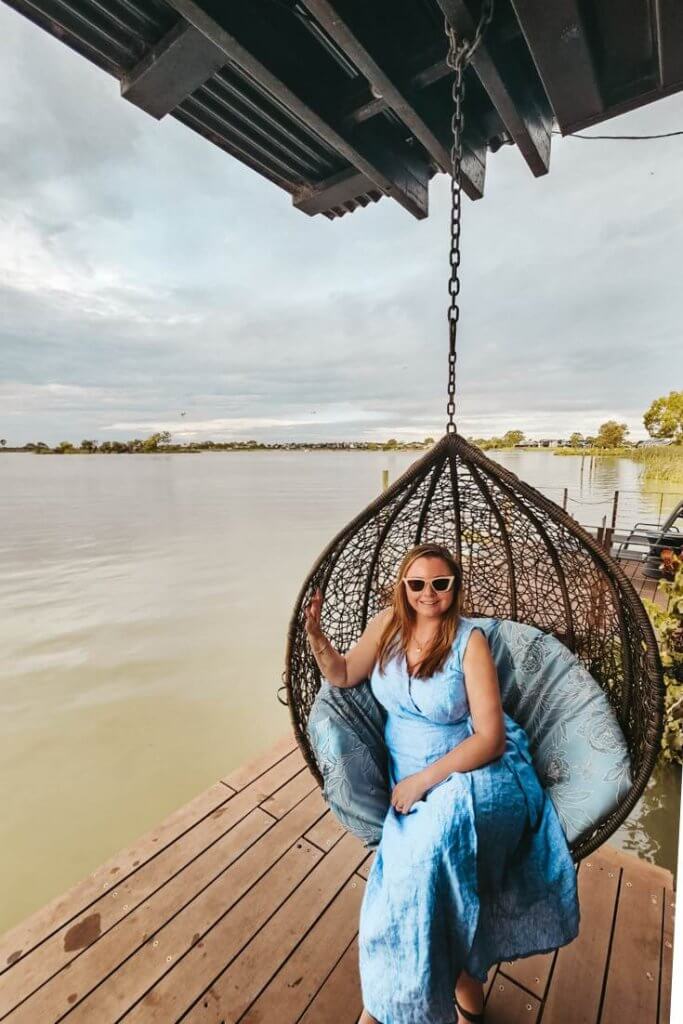
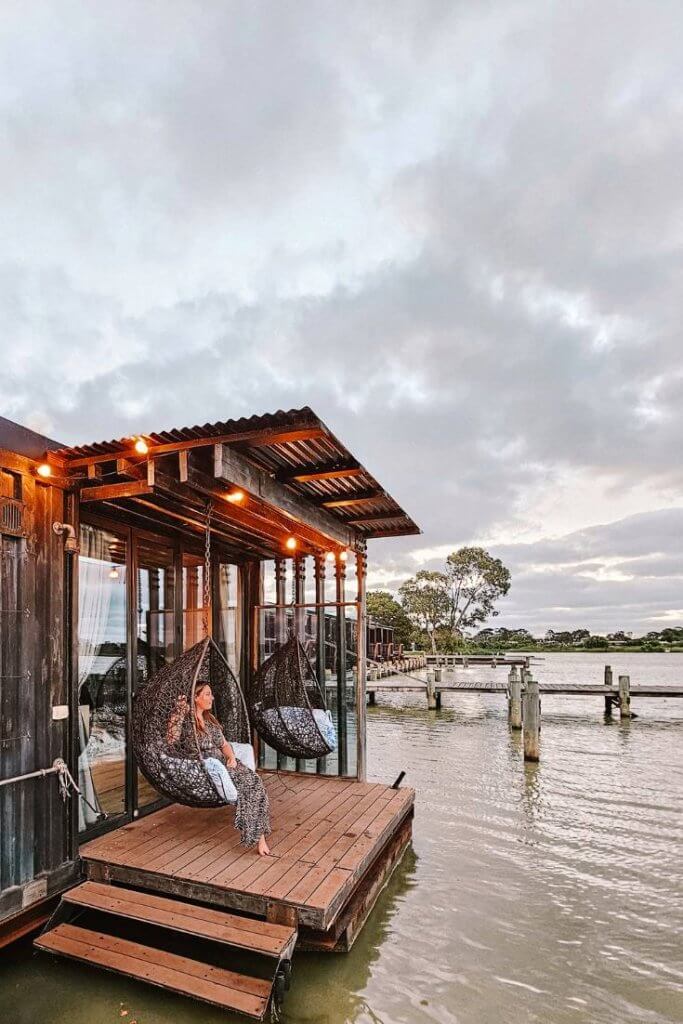
On our most recent trip, we actually stayed in Wellington which is right on the river. The Cube is a super Insta-worthy tiny house floating on the water, perfect for a romantic weekender. It’s sister property, The Nook, is less famous but even cuter in our opinion and has a little more room (though still built for two people. The Lake Wellington Luxury Retreat is brand new and a great option too.
Milang and Strathalbyn have some delightful holiday homes for larger groups. We particularly love this three-bedroom Milang holiday home, or the delightful apartments at Strathalbyn Cottages.
The best wineries in Langhorne Creek
Langhorne Creek is a really unique wine region. Because of its location close to the coast, it’s cooler than McLaren Vale or the Barossa Valley. It’s floodplain and low elevation also gives the soil a different quality than that found in Adelaide Hills or Limestone Coast. This post sums up the Langhorne Creek wine climate nicely.
What does that mean for you? Well, that you should taste as many different wines as you can!
All of the wineries are fantastic for different reasons, and all of them feature really friendly staff. Particular standouts are:
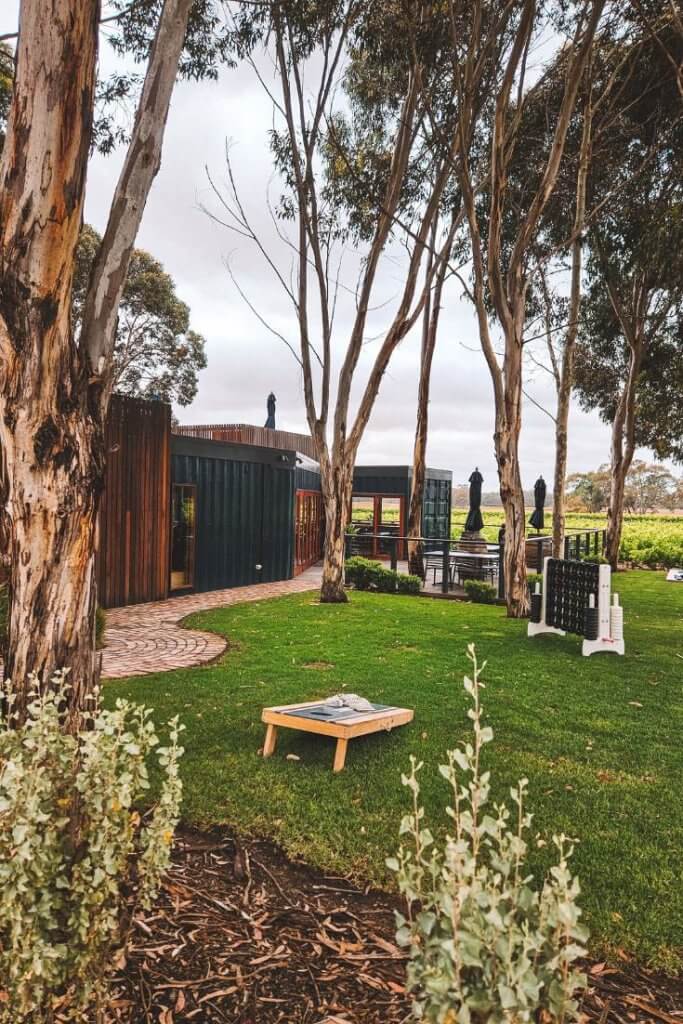
Kimbolton Wines: we particularly loved their reds, and loved the giant lawn games area for kids and grown-up kids alike. Order the wine and cheese flight!
Bremerton Wines: less boutique-y but with a great range and a big outdoor area to enjoy on sunny days (you can also buy all sorts of delicious artisanal picnic goodies here).
The Winehouse: This is actually a collective that showcases a few smaller wineries, and has a delightfully rustic cellar door. They also offer craft beers.
Lake Breeze: a perfect option for some lovely whites.
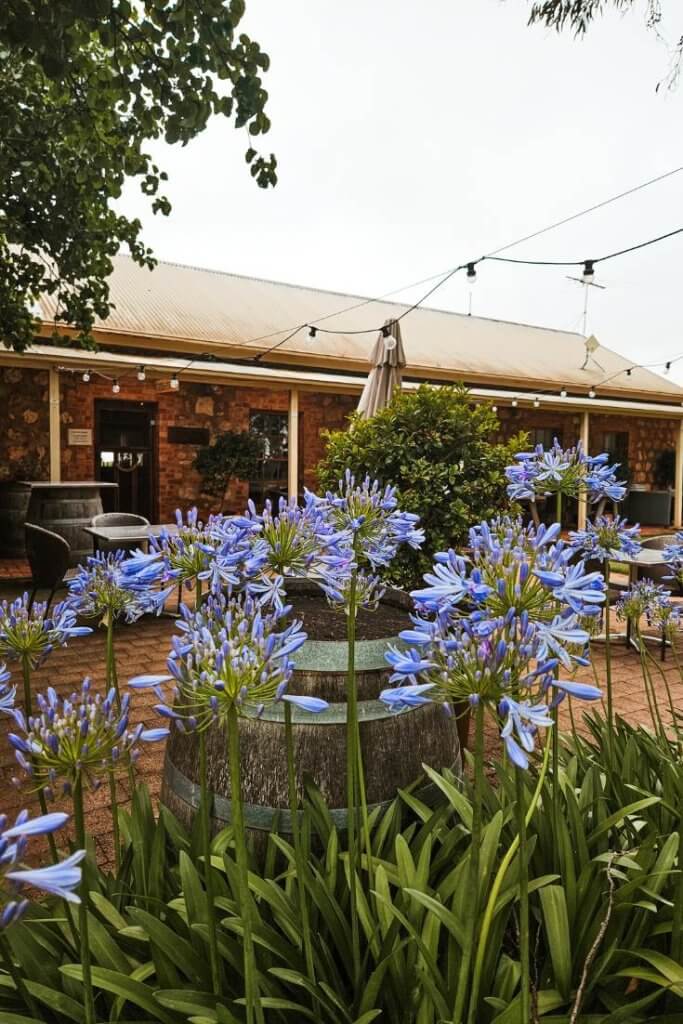
Where to eat in Langhorne Creek
A few of the wineries have restaurants attached. Others offer various themed events with food available.
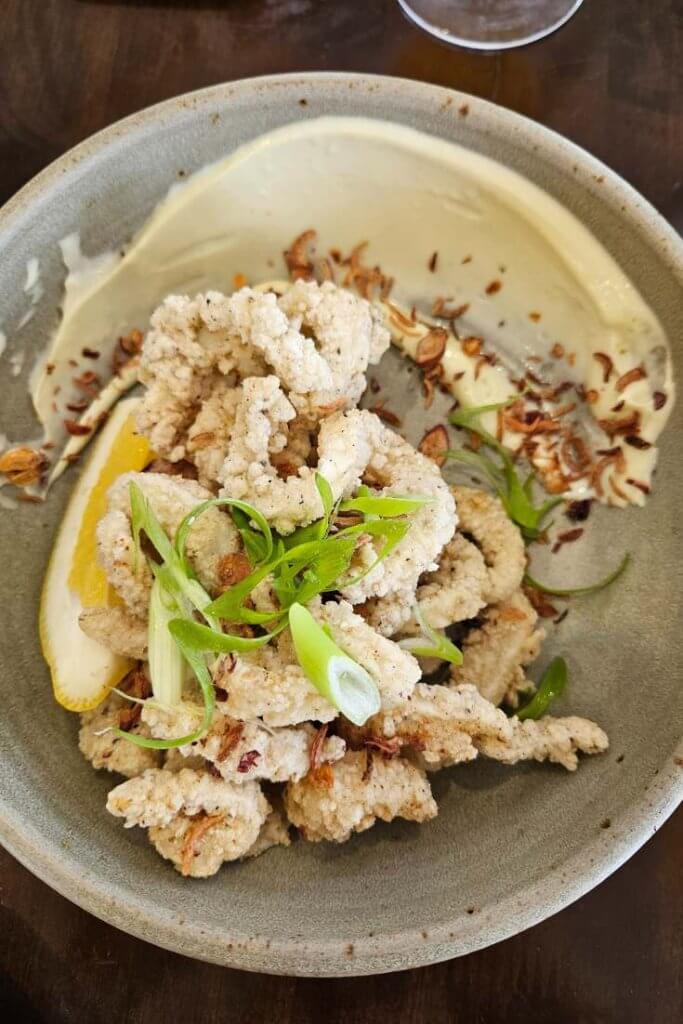
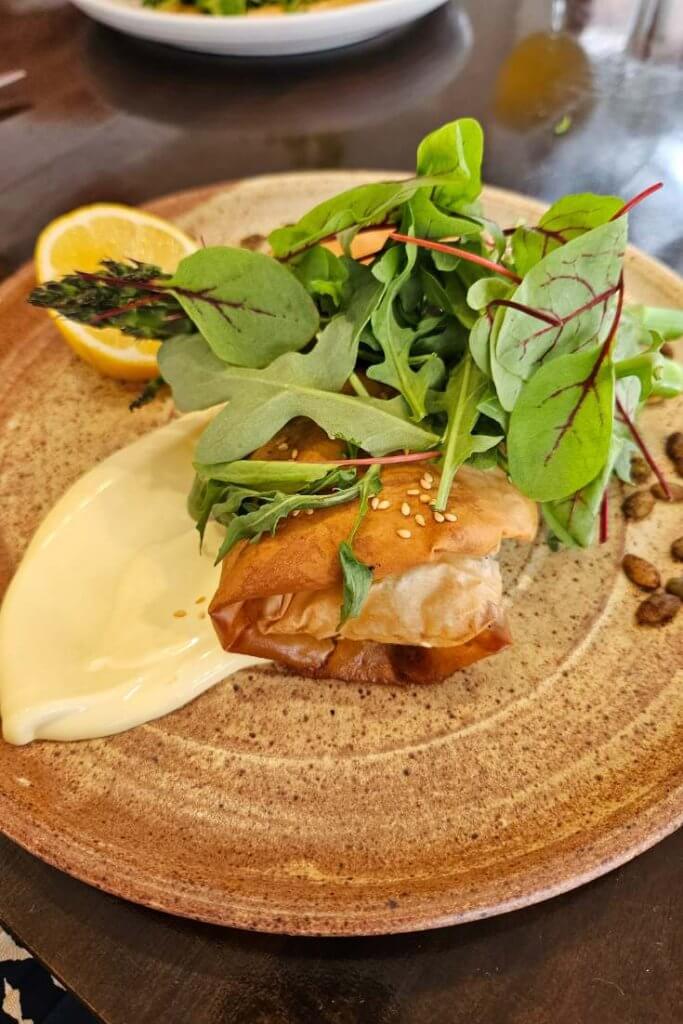
Lake Breeze has a lovely modern Australian restaurant. What’s beautiful about this place is the ability to choose a spot near the fire (perfect for trips in cooler weather) or upstairs overlooking the vineyard. For a more casual long lunch, ask for a table outside. I particularly loved the Barramundi filo.
The Winehouse has a really beautiful restaurant that is well set up for groups. Here we recommend the baked garlic prawn gnocchi.
Kimbolton offers grazing platters and these are rally well done. However, check the Kimbolton website or their Instagram before you go because they sometimes do special events. For example, it was Paella Day when we were there, yum!
Conclusion
This small but delightful wine region really should be on your South Australia bucket list. The people are so friendly, the wines are divine, and the atmosphere makes it a perfect place to reconnect with family and friends.
And being so close to Adelaide, there really is no excuse!
Love this post? Do us a favour and share it!
Cover image courtesy of Robyn Follett / South Australian Tourism Commission