Our Family Travel Camera Gear Setup – What We Actually Use

Capturing memories is a big part of how we travel as a family. From aerial coastline footage to underwater snorkelling clips and everyday moments in between, we’ve refined a camera setup that balances quality with practicality.
When you’re travelling with kids, simple, reliable and well-organised always wins.
Here’s exactly what we use.
Everyday Travel Photography – Our Phones
Samsung S26
- Versatile triple-camera system – Includes wide, ultra-wide and telephoto lenses so you can capture landscapes, city scenes and zoom shots without carrying extra gear.
- Excellent low-light performance – Night photography features help capture clearer photos in markets, restaurants and evening city walks.
- High-quality video recording – Supports advanced video modes including 8K recording for detailed travel footage.
- All-day battery life – Large battery and efficient processor mean it easily handles full days of photos, navigation and video.
Oppo Find X9 Pro
- Excellent camera processing – Produces vibrant colours and sharp images straight from the camera, ideal for landscapes and food photography.
- Fast autofocus – Helps capture moving subjects like kids, street scenes and wildlife without blurry photos.
- Strong battery life – Reliable for long travel days when you’re constantly using maps, photos and video.
- Powerful performance – Handles photo editing, navigation apps and travel planning without slowing down.
Smartphone Gimbal
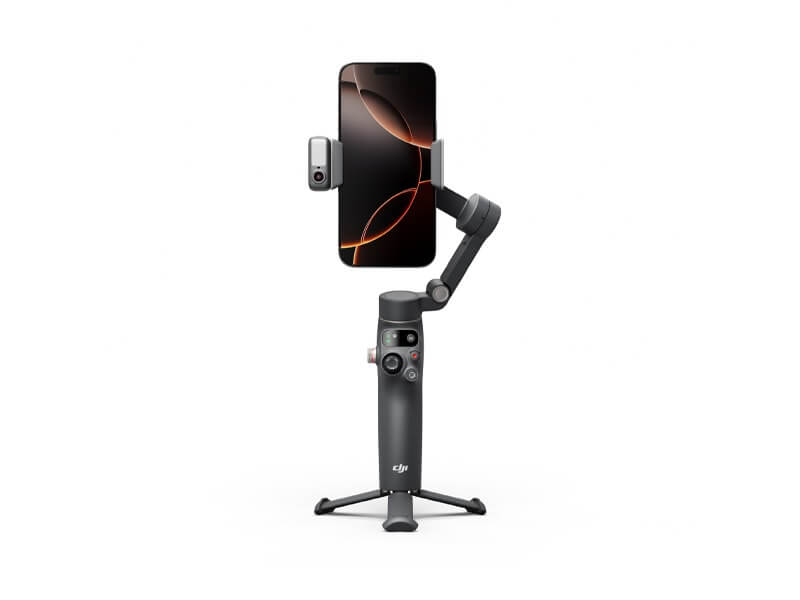
For smooth walking footage, markets, airport days and casual video, we use the DJI Osmo Mobile.
A gimbal makes a significant difference to handheld video. It stabilises movement and instantly makes phone footage look more polished.
This is often what we reach for first because it’s quick, lightweight and easy to use around kids.
Drone
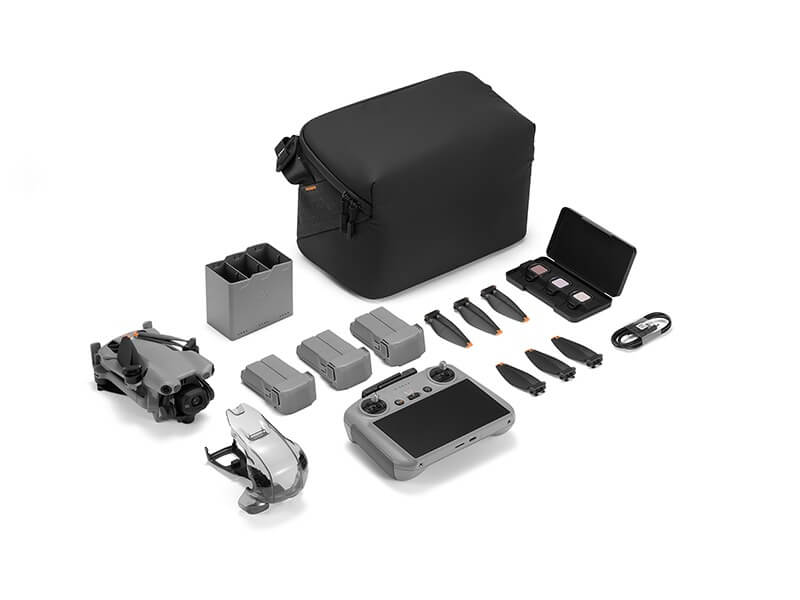
We travel with the DJI Mini (Go Fly Combo).
The Go Fly pack is important. It includes multiple batteries and a multi-battery charging hub, which means we can rotate batteries overnight and maximise flying time the next day.
The DJI Mini is lightweight, compact and ideal for family travel. It’s small enough to carry comfortably but powerful enough to capture dramatic landscape footage.
Why we like it for family travel:
- Lightweight and easy to pack
- Multiple batteries included in the Go Fly Combo
- Compact footprint in carry-on luggage
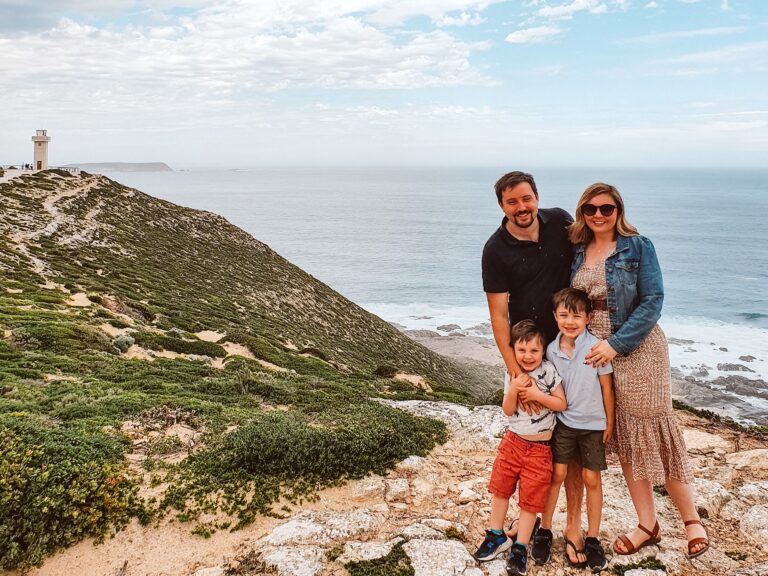
The featured image on this post is of the two of us flying our drone along the Murray River, South Australia.
Important: Drone Regulations
Before flying, always check local destination regulations and airspace restrictions. Drone laws vary significantly between countries (and sometimes between regions within the same country). Some destinations require registration, permits, or restrict flying in national parks, beaches, or near populated areas.
We always research local aviation authority rules before travelling and plan accordingly.
Action and Underwater Camera
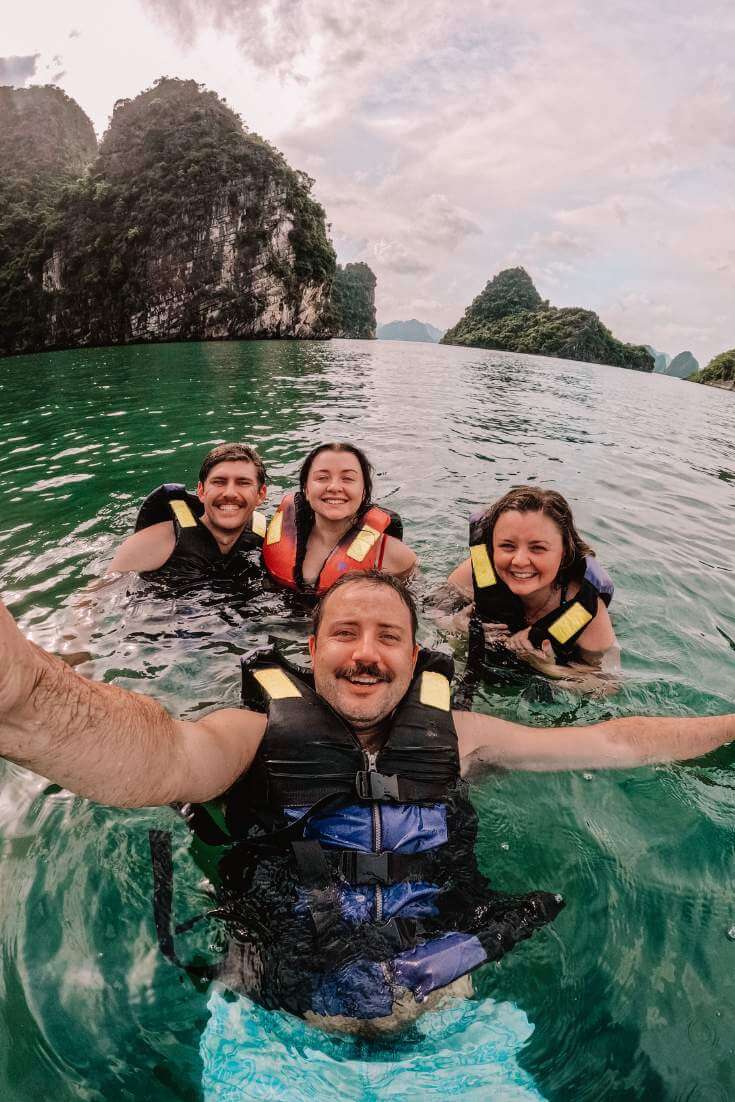


Action cameras are essential for adventure travel, especially when you don’t want to risk a larger camera.
The wristband means it doesn’t get dropped somewhere irretrievable. The best part about this? It means we can trust the kids to use it too! We’ve got great footage and recorded memories from the kids as they’ve been kneeboarding, snorkelling, or tacking a massive waterslide.

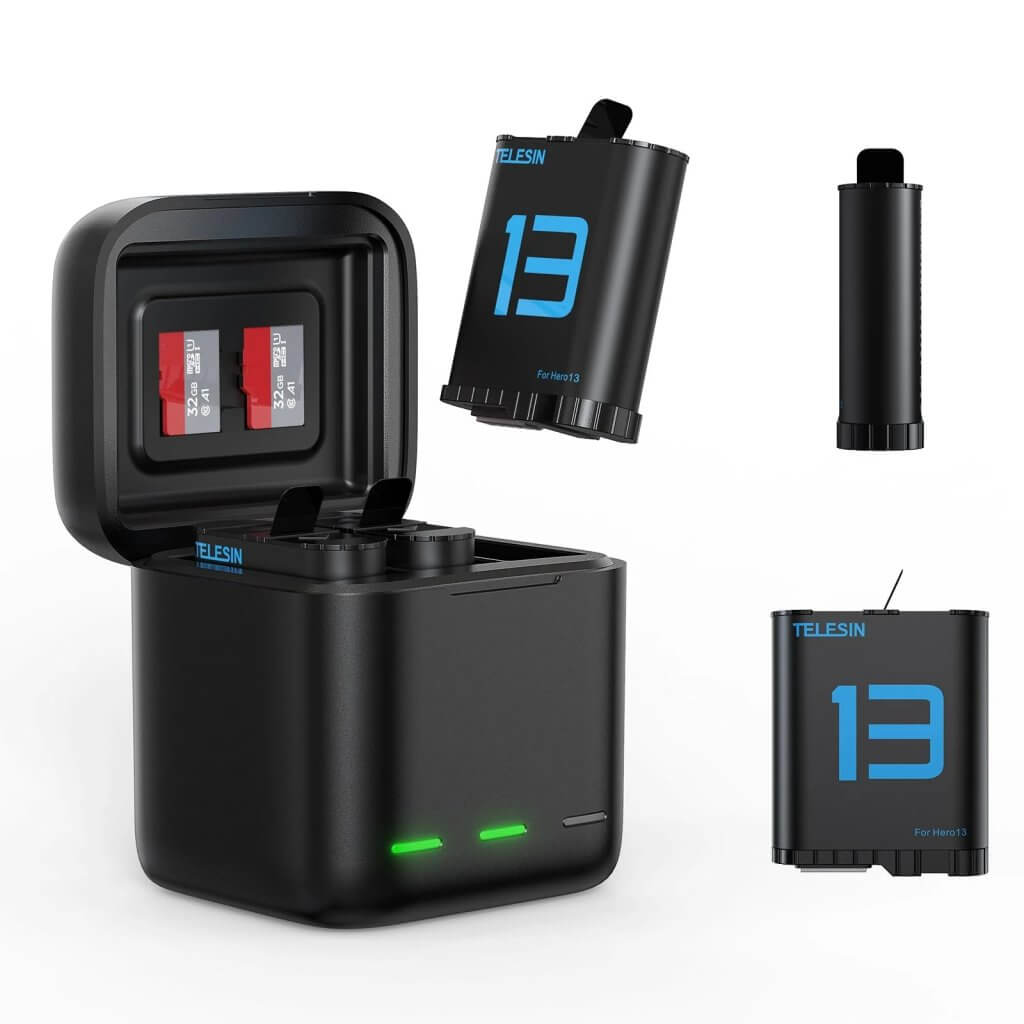
Batteries and Charger
We use third-party batteries that we’ve found last longer than the original GoPro batteries, particularly for extended activities like quad biking and snorkelling.
Here’s the battery and charger set we use.
We always travel with multiple batteries fully charged. Action cameras consume power quickly, and rotating batteries ensures we never miss key moments.
Travel Camera
A good travel camera combines image quality, portability, and ease of use — meaning it takes much better photos than a phone but isn’t bulky or complicated. The best travel cameras usually have:
- A large sensor for sharp pictures and good low-light performance
- A lens that works well for most scenes (street, landscapes, portraits)
- A lightweight body you’re happy to carry all day
A good camera can deliver lots of benefits over smartphone cameras (though these should still be part of your travel photography arsenal). A good quality camera allows you to shoot in different lighting and motion conditions, and with a quality that allows for more editing options later.
For us, a good travel camera is also something easy to carry around without having to worry about additional lenses.
Fujifilm X100VI – Our Preferred Travel Camera
This is our go-to camera for family travel photography because it balances great photo quality, compact size, and ease of use. It has a larger sensor than most compact cameras and a built-in lens that works well for street scenes, landscapes and everyday moments. It’s a single-lens system that keeps things simple — there’s no changing lenses in dusty or busy environments — and its image quality unlocks much richer photos than your phone alone can produce.
In practical terms, it means:
- Sharper travel photos
- Better low-light performance
- Less gear to manage
- It’s a camera you’ll reach for first on a trip because it feels natural to use and delivers consistently great results.
Sony ZV-E10 – Great Entry Camera
If you’re new to dedicated cameras or want something more versatile for both photos and video, the Sony ZV-E10 is a friendly entry point. It’s designed for creators and vloggers, with:
- A sensor that’s larger and better than typical compact cameras
- A fully adjustable screen for easy video framing
- Good autofocus that makes focusing easier
What this means for someone with zero camera knowledge is simple: this camera helps make nicer pictures and videos than a phone, and it’s designed so you don’t have to learn lots of complicated settings to get good results.
Storage: What We Actually Use
Storage is one of the most overlooked parts of travel photography.
For drone and GoPro footage, 256GB is the absolute minimum. We personally use 512GB or 1TB cards so we never have to worry about running out of space mid-trip.
Just as important as capacity is speed.
We only use V30, A2 rated microSD cards to keep up with the write speeds required by the GoPro Hero 13 and DJI Mini. Slower cards can cause recording issues or corrupted files.
Cards we personally use:
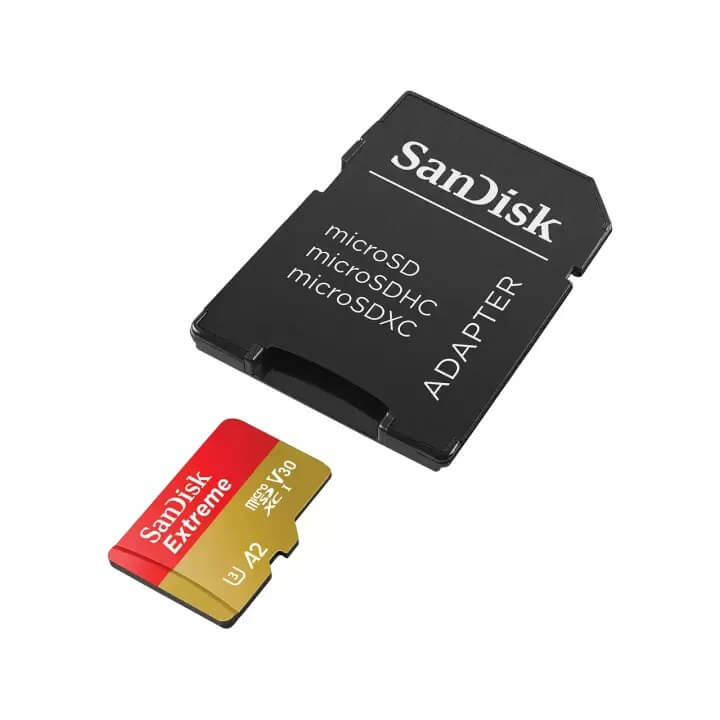
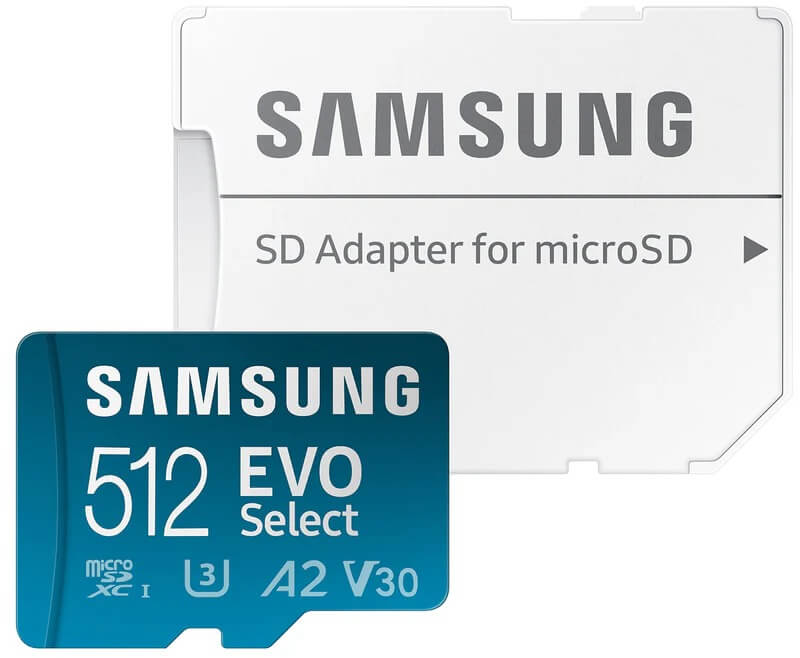
Samsung microSD 512GB (V30 A2 rated)
Simple and Efficient Charging Setup
Travelling with a drone, action camera, gimbal and phones means managing multiple devices.
We simplify the setup.
Multi-Port USB Charging Station
We use this multi-port charging station.
It allows us to charge multiple devices from one wall outlet, which means we only need a single travel adapter in most hotel rooms.
Fast Charging Travel Adapter
For international travel, we use this adapter.
It supports fast charging for phones and works seamlessly with the multi-port station above. This setup keeps everything streamlined and avoids carrying unnecessary bulk.
We prefer this over travelling with large power banks, especially given airline battery restrictions..
How We Pack Our Camera Gear
We divide gear strategically:
Carry-on backpack:
- DJI Mini
- GoPro Hero 13
- Preferred travel camera
- All batteries
- Memory cards
- DJI Osmo Mobile
- Travel adapter
Checked luggage:
- Tripod
- Power Board
- Non-fragile accessories
Note: This post contains affiliate links. If you click through and make a booking, we earn a small commission at no cost to you.