How to Plan a Family Trip (Without Burning Out Before You Go)

Planning a family trip can feel more exhausting than the trip itself. Between researching destinations, comparing flights, juggling school schedules, and trying to keep everyone happy, it’s easy to burn out before you even leave home.
If that sounds familiar, you’re not failing at family travel — you’re just missing a system.
After years of traveling with kids at different ages, we’ve learned that successful family trips aren’t about perfect itineraries. They’re about planning in the right order, with realistic expectations and fewer decisions.
This is exactly how we plan family trips now — in a way that feels manageable, flexible, and actually enjoyable.
Note: this post contains affiliate links. If you click through and make a booking, we earn a small commission at no cost to you. This helps us keep A Winter Escape up and running!
Step 1: Decide What You Want the Trip to Feel Like
Before choosing a destination, flights, or accommodation, start with one question:
What do we want this trip to feel like as a family?
This single step eliminates most planning stress.
Instead of asking where should we go?, ask:
- Do we want rest or adventure?
- Do we want to stay in one place or move around?
- Do we want full days or slower, flexible ones?
We once planned a “perfect” family itinerary — great sights, packed days, lots of movement. On paper, it looked ideal. In reality, the kids were overstimulated, and we spent most of the trip undoing our own plans.
Now, we decide on pace first. Everything else — destination, accommodation, activities — becomes much easier once that’s clear.

Step 2: Choose a Destination That Matches Your Kids’ Ages
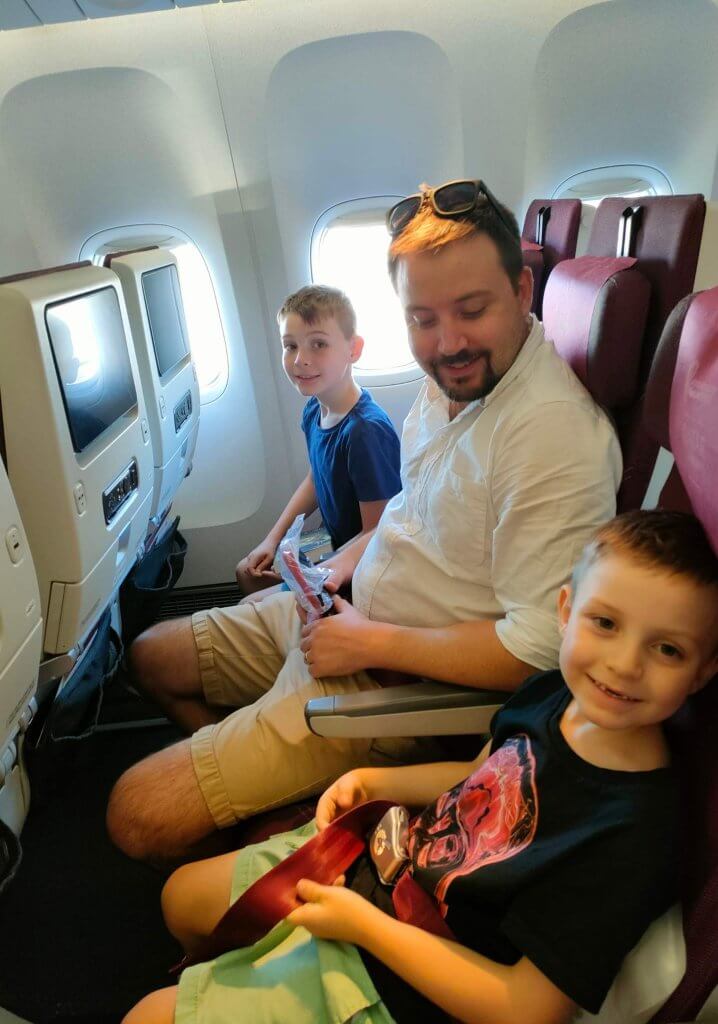
One of the fastest paths to burnout is planning the trip you hope your kids are ready for instead of the one they actually are. We are big believers that children should be taken out of their comfort zone and that all destinations are kid-friendly in some way, but some destinations suit different ages better than others.
Family travel looks different at every stage:
- Toddlers need routine and short days
- School-age kids handle novelty better but still need downtime
- Teens need autonomy and a reason to care
When choosing a destination, we always consider:
- How much walking is required?
- How easy is food to find?
- How long are travel days and transfers?
- How flexible can plans be if someone’s tired or overwhelmed?
We’ve learned (sometimes the hard way) that choosing a destination aligned with our kids’ current ages makes trips calmer, easier, and far more enjoyable. Examples of this are:
- exploring Fiji or Bali with really little ones because the culture is so geared towards small children
- Greece for kids who are a little older and can handle some longer travel days and are more likely to be impressed by ancient history
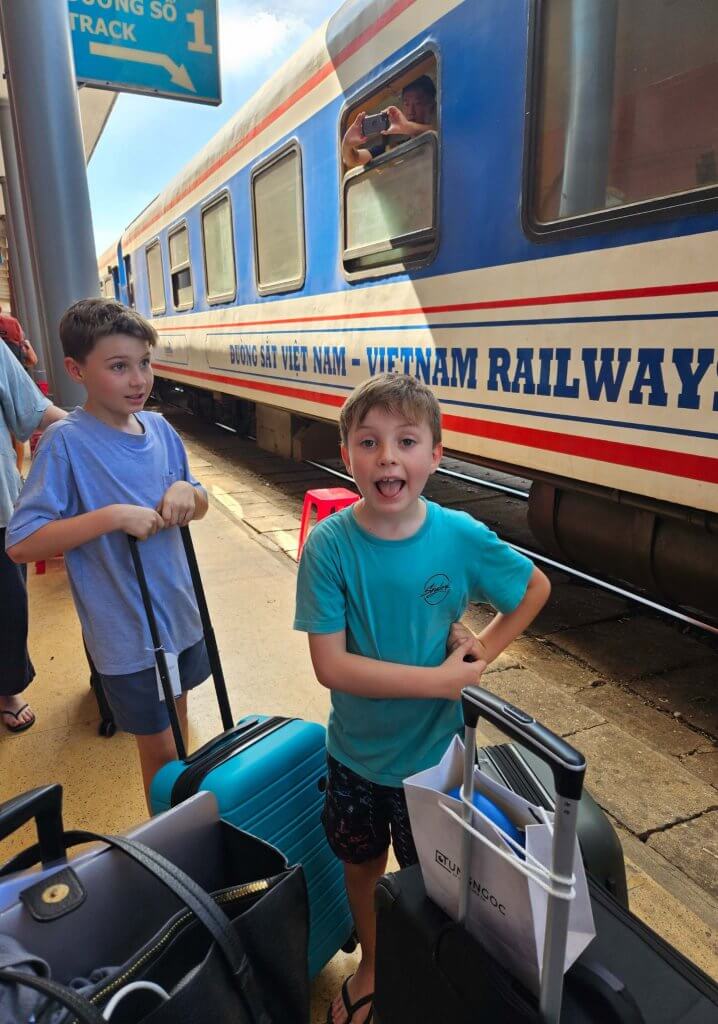
- Vietnam or Cambodia for older kids who can process more modern history (e.g. war history) and cope with lots of sensory input and different foods

Step 3: Lock in Your Non-Negotiables Early
Decision fatigue is one of the biggest causes of planning burnout.
We avoid it by identifying non-negotiables upfront — the things that matter most for our family.
For us, that usually includes:
- Accommodation that gives everyone space to decompress
- A trip length that doesn’t feel rushed
- A few key experiences that are absolute must-dos for us ( a bucket list item!)
Once those boxes are checked, we stop looking. Your non-negotiables (which will change as your children grow) might include things like flight times that protect sleep as much as possible, or the ability to hire a nanny.
Constantly re-checking prices, hotels, or routes after booking creates unnecessary stress. If something meets your core needs, it’s good enough.
👉 This is also where we use a flight search tool we trust — one that lets us compare options without opening twenty tabs or re-searching the same routes over and over. It saves time and mental energy, which matters when planning family travel.
Step 4: Plan Less Each Day Than You Think You Should
This is where many family trips fall apart. (And yes, we’ve been SO guilty of this!!!)
When travelling with kids, space in the schedule is not wasted time — it’s what keeps everyone regulated.
Our rule is simple:
- One main activity per day
- One optional backup idea
- Everything else stays flexible
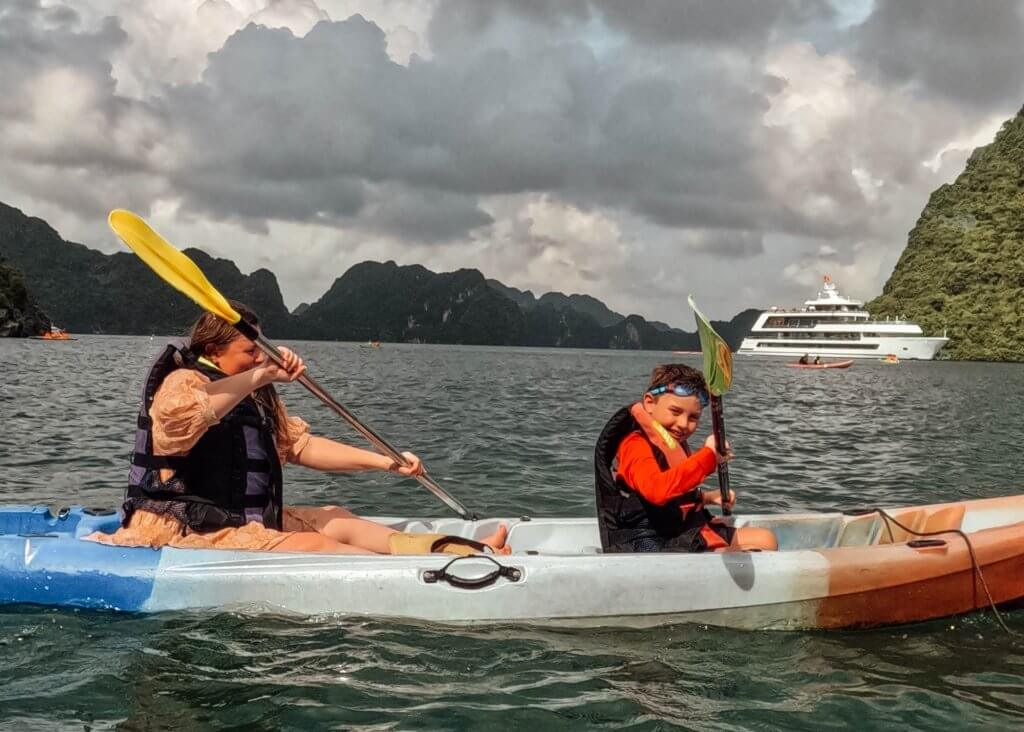
Some of our best travel days have involved no “must-see” attractions at all — just wandering, playground stops, long meals, or letting the kids set the pace. In particular, in warm destinations this time is often filled in the swimming pool or at the beach.
Over-planned days tend to lead to tension, meltdowns, and frustration. Slower days almost always lead to better memories.
Step 5: Build Rest Into the Plan (Not Just Between Activities)
Rest shouldn’t be something you squeeze in when things go wrong. It should be planned.
That might look like:
- Choosing accommodation that’s comfortable for downtime
- Scheduling slower mornings after travel days
- Avoiding early tours or late nights (or slow mornings/early evenings to accommodate)
- Planning “nothing” days on longer trips
We used to see rest days as wasted opportunities. Now, we see them as what makes the rest of the trip possible.
👉 This is also why we prioritise certain types of accommodation for family trips — places with space, quiet, and flexibility. Where you stay has a bigger impact on your energy than almost anything else.
Step 6: Share the Planning Load (Even a Little)
Another hidden source of burnout? Feeling like the entire trip depends on you.
We involve our kids in small, age-appropriate ways:
- Getting them to choose some of the activities
- Asking what they’re most excited about
- Talking through what travel days will be like
This doesn’t mean giving up control — it means sharing ownership.
When kids feel included, they’re more patient on days that aren’t about them and more flexible when plans change.

Step 7: Accept That Something Will Go Wrong
No family trip goes exactly to plan.
Flights get delayed. Weather changes. Kids get sick. Energy dips.
Burnout happens when we expect everything to go perfectly.
We have many examples of this that stand out — forgotten passports in Greece, missing transfers in Malaysia, cancelled plans and constant adjustments in Vietnam and Cambodia due to illness and the weather. What saved these trips was letting go of the idea that the trip needed to look a certain way to be successful.
Some of those unexpected moments are now our favorite memories, and the kids learn resilience and problem-solving too.
A good family travel plan isn’t rigid — it’s adaptable.
What Planning a Family Trip Should Feel Like
When planning is done well, it should feel:
- Clear instead of overwhelming
- Intentional instead of rushed
- Supportive instead of stressful
The goal isn’t to plan the perfect trip.
It’s to plan a trip that works for your family, at this stage, with the energy you actually have.
That’s what makes family travel sustainable — and something you’ll want to keep doing.
Recommended Next Reads
To make planning even easier, these posts build directly on this guide:
- How We Budget For Family Travel
- Flying With Kids: What Actually Helps
- Our Family Travel Packing System
- Where Families Should Actually Stay When Travelling